
WHAT IS IT
Heart Attack (Myocardial Infarction) is a medical emergency that occurs when the blood flow to a part of the heart muscle is suddenly blocked, usually due to a blood clot in a coronary artery. This leads to damage or death of heart muscle if not treated quickly.
CAUSES
• Blockage of coronary arteries due to fatty deposits (atherosclerosis)
• Formation of a blood clot in the artery
• High blood pressure (Hypertension)
• High cholesterol levels
• Smoking
• Diabetes
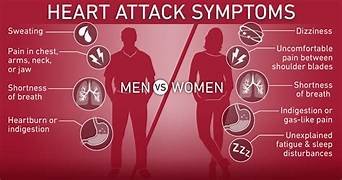
SYMPTOMS
• Chest pain or discomfort (pressure, tightness, heaviness)
• Pain spreading to left arm, jaw, neck, or back
• Shortness of breath
• Sweating (cold sweat)
• Nausea or vomiting
• Dizziness or lightheadedness
• Unusual fatigue (especially in women)
RISK FACTORS
• High blood pressure
• High cholesterol
• Diabetes
• Smoking
• Obesity and lack of exercise
• Family history of heart disease
• Age (higher risk after 45 in men, 55 in women)
DIAGNOSIS
• ECG (Electrocardiogram) – to detect heart changes
• Blood tests (cardiac enzymes like Troponin)
• Echocardiogram – to assess heart function
• Coronary angiography – to identify blocked arteries
TREATMENT
• Immediate emergency care is critical
• Aspirin may be given (as advised by a doctor)
• Clot-dissolving medicines (thrombolytics)
• Angioplasty (stent placement) to open blocked artery
• Oxygen, pain relief, and other supportive care
• Hospitalization and monitoring
PREVENTION
• Control blood pressure, sugar, and cholesterol
• Quit smoking and limit alcohol
• Eat a heart-healthy diet
• Regular exercise
• Maintain healthy weight
• Regular health check-ups
WHEN TO SEE A DOCTOR
• Immediately (Emergency) if chest pain lasts more than a few minutes
• Pain spreading to arm, jaw, or back
• Sudden shortness of breath or sweating
• Feeling faint or dizzy
• Do not ignore symptoms—early treatment saves life
IMPORTANT NOTE
This information is for educational purposes only. For proper diagnosis and treatment, consult a qualified healthcare professional.
Need help? Book now: