WHAT IS IT
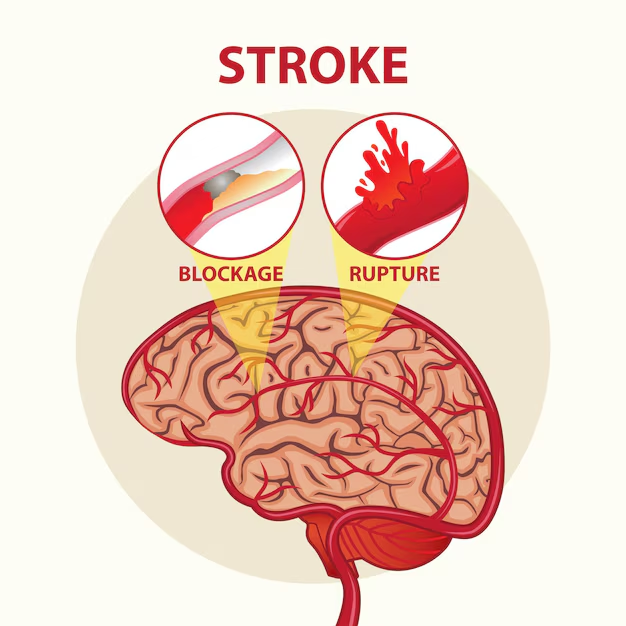
Brain Stroke is a medical emergency that occurs when the blood supply to the brain is suddenly interrupted or reduced, causing brain cells to lack oxygen and start dying. It can be either Ischemic Stroke (blockage) or Hemorrhagic Stroke (bleeding in the brain).
CAUSES
• Blood clot blocking a brain artery (ischemic stroke)
• Bleeding in the brain due to ruptured blood vessel (hemorrhagic stroke)
• High blood pressure (Hypertension)
• Heart diseases (like irregular heartbeat – Atrial Fibrillation)
• High cholesterol leading to plaque buildup
• Diabetes
SYMPTOMS
• Sudden weakness or numbness (face, arm, or leg – especially one side)
• Difficulty speaking or understanding speech
• Sudden vision problems (blurred or loss of vision)
• Severe headache (more common in bleeding stroke)
• Dizziness, loss of balance or coordination
• Facial drooping
RISK FACTORS
• High blood pressure (major risk factor)
• Diabetes
• Smoking and alcohol use
• Obesity and lack of physical activity
• High cholesterol
• Family history of stroke
• Age above 50 years
DIAGNOSIS
• CT Scan or MRI – to identify type of stroke (block or bleed)
• Blood tests
• ECG (Electrocardiogram) – to check heart rhythm
• Carotid ultrasound – to detect blockages in neck arteries
TREATMENT
• Immediate emergency treatment is critical
• For ischemic stroke: Clot-busting medicines (thrombolytics) if given early
• For hemorrhagic stroke: Control bleeding and reduce pressure in brain
• Hospitalization in ICU may be required
• Rehabilitation (physiotherapy, speech therapy) after recovery
PREVENTION
• Control blood pressure, sugar, and cholesterol
• Quit smoking and alcohol
• Eat a healthy diet (low salt, low fat)
• Regular exercise
• Take prescribed medications regularly
• Regular health check-ups
WHEN TO SEE A DOCTOR
• Immediately (Emergency) if any symptoms appear
• Use FAST warning signs:
• F – Face drooping
• A – Arm weakness
• S – Speech difficulty
• T – Time to act fast
• Even if symptoms go away quickly (possible mini-stroke / TIA)
IMPORTANT NOTE
This information is for educational purposes only. For proper diagnosis and treatment, consult a qualified healthcare professional.
Need help? Book now: