
WHAT IS IT
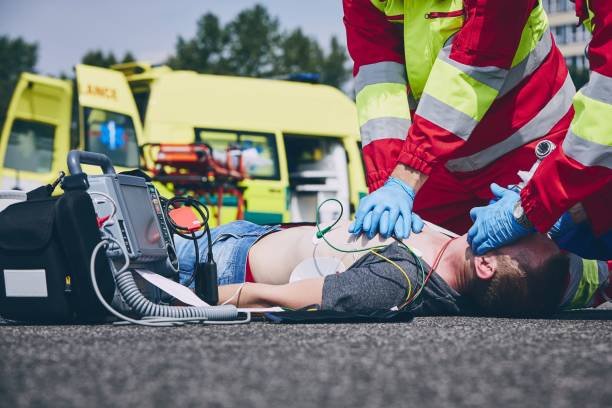
Cardiac Arrest is a sudden loss of heart function, where the heart stops beating effectively and cannot pump blood to the brain and other vital organs. It leads to loss of consciousness and breathing and is a life-threatening emergency requiring immediate action.
CAUSES
• Abnormal heart rhythm (Arrhythmia) – especially Ventricular Fibrillation
• Coronary artery disease (blocked heart arteries)
• Heart attack (Myocardial Infarction)
• Severe electrical problems in the heart
• Electrocution or severe trauma
• Drug overdose or certain medications
SYMPTOMS
• Sudden collapse
• No pulse
• No breathing or abnormal breathing (gasping)
• Loss of consciousness
• Sometimes warning signs before arrest: chest pain, shortness of breath, dizziness
RISK FACTORS
• History of heart disease
• Previous heart attack
• High blood pressure
• Smoking
• Diabetes
• Family history of heart conditions
DIAGNOSIS
• Diagnosed clinically in emergency (unresponsive, no pulse)
• ECG (Electrocardiogram) to detect abnormal heart rhythm
• Blood tests and imaging after stabilization to find the cause
TREATMENT
• Immediate CPR (Cardiopulmonary Resuscitation)
• Defibrillation (electric shock) using AED/defibrillator
• Emergency medical care and advanced life support
• Medications to stabilize heart rhythm
• Treatment of underlying cause after recovery
PREVENTION
• Control heart disease risk factors (BP, sugar, cholesterol)
• Quit smoking and alcohol
• Maintain healthy lifestyle and regular exercise
• Regular heart check-ups
• Follow prescribed medications properly
WHEN TO SEE A DOCTOR
• Immediately call emergency services if someone collapses, is unresponsive, and not breathing
• Seek medical care for chest pain, palpitations, or fainting
• Regular check-ups if you have heart disease risk factors
IMPORTANT NOTE
This information is for educational purposes only. For proper diagnosis and treatment, consult a qualified healthcare professional.
Need help? Book now: